MACROBIOTIC DIET
 The concept of the Macrobiotic diet comes from two terms, the Greek word Macro which means large or long, and the Greek word Bios, which means life. It is a diet that focuses on grain servings as a staple food, supplemented with beans and vegetables. The concept of the Macrobiotic diet comes from two terms, the Greek word Macro which means large or long, and the Greek word Bios, which means life. It is a diet that focuses on grain servings as a staple food, supplemented with beans and vegetables.
The Macrobiotic diet avoids using foods that are refined or highly processed. Macrobiotics recommends portion control to avoid overeating, and requires that food be adequately and thoroughly chewed before it is swallowed. It is a very healthy diet and one that can benefit the athlete.
WHAT TO EAT ON THE MACROBIOTIC DIET
 Macrobiotics is considered an approach to life. The guidelines are below. Macrobiotics is considered an approach to life. The guidelines are below.
* Whole cereal grains, especially brown rice: 50-60%
* Vegetables: 25-30%
* Beans and legumes: 5-10 %
* Miso soup: 5%
The rest of the diet is composed of fish and seafood, seeds and nuts, seed and nut butters, seasonings, sweeteners, fruits, and beverages. Other naturally raised animal products may be included if an individual needs them.
The diet also adjusts to various changes:
* the season
* the climate
* activity
* gender
* age
* health condition
* transition in one's diet
 Food is prepared in various ways.Onions and carrots are cut differently than chard. Good macrobiotic cookbooks will instruct in this art. Foods are normally cooked by: Steaming, boiling, ohitashi/blanching, nishime/long steaming, nitsuke/saute and boiling, kinpira/sauteeing and boiling, sukiyaki/stew, nabe, oven baking, baking in a pressure cooker, tempura, and frying. Food is prepared in various ways.Onions and carrots are cut differently than chard. Good macrobiotic cookbooks will instruct in this art. Foods are normally cooked by: Steaming, boiling, ohitashi/blanching, nishime/long steaming, nitsuke/saute and boiling, kinpira/sauteeing and boiling, sukiyaki/stew, nabe, oven baking, baking in a pressure cooker, tempura, and frying.
Macrobiotic eating follows the principle of balance (called yin and yang in China). No foods are forbidden, but it is encouraged to use less processed healthy foods.
Foods that are overstimulating can exhaust the body and mind are classified as yin (stimulating) in their effects:
* Sugar
* Alcohol
* Honey
* Coffee
* Chocolate
* Refined flour products
* Very hot spices
* Chemicals and preservatives
* Commercial milk, yogurt and soft cheeses
* Poor quality vegetable oils
Foods that are heavy and dense, create stagnation. These have yang (strengthening but stagnating effects if over-consumed).
* Poultry
* Meat
* Eggs
* Refined salt
Foods that create balance are whole grains, vegetables, beans, sea vegetables, fruit from the local environment, nuts, and seeds. Foods such as these are used in a macrobiotic way of eating.
WHAT ARE THE BENEFITS AND CONCERNS?
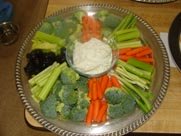 The Macrobiotic approach to nutrition is based on the idea that food, and the quality of food are extremely powerful when it comes to health, happiness and overall well being. This particular approach suggests that choosing natural, whole foods in place of refined and processed foods is the best option. The Macrobiotic approach to nutrition is based on the idea that food, and the quality of food are extremely powerful when it comes to health, happiness and overall well being. This particular approach suggests that choosing natural, whole foods in place of refined and processed foods is the best option.
Macrobiotics mainly emphasizes eating whole grains, cereals, legumes, pulses, vegetables, soy products and fruit that are locally grown. Eating naturally in this way provides a number of health benefits which is why this age old and traditional eating style is still popular  among many people today. The biggest concern with any special diet, including Macrobiotics, is that anyone following this nutrition plan should make sure that they are getting the right level of the vitamins, minerals and other nutrients that they need. among many people today. The biggest concern with any special diet, including Macrobiotics, is that anyone following this nutrition plan should make sure that they are getting the right level of the vitamins, minerals and other nutrients that they need.
The three primary macro nutrients that the body requires are fats, carbohydrates and proteins.
As long as those following this diet are getting enough of these, and the essential amino acids and other vitamins, minerals and enzymes that they need, there is no real concern to following this particular type of nutritional plan.
Anyone who is following a macrobiotic diet needs to monitor the following nutrients: Calcium, protein, zinc, iron, vitamin B12, vitamin D, riboflavin, vitamin A and omega 3 fatty acids. A macrobiotic diet that contains the right amount of these vital nutrients, or one that includes a multi-vitamin supplement for additional support is a healthy and positive one.
WOULD IT BENEFIT AN ATHLETE?
 The Macrobiotic approach to eating can benefit athletes because it is formulated to be a traditional, healthful style of eating that only puts good, natural and light foods into the body. This is an excellent concept for the athlete who wants to eat well without weighing down the body with refined food products or overly processed, pre-packaged food items. The Macrobiotic approach to eating can benefit athletes because it is formulated to be a traditional, healthful style of eating that only puts good, natural and light foods into the body. This is an excellent concept for the athlete who wants to eat well without weighing down the body with refined food products or overly processed, pre-packaged food items.
The diet preaches the benefits of foods that are as natural as they can possibly be, including fruits and vegetables and locally grown whole grains and cereals.The Macrobiotic diet is a complete nutrition plan that provides the right amount of necessary nutrients that has been successful for years.
 There are a number of famous athletes who have been successful with the diet, including but not limited to Carl Lewis, Leroy Burrell, Peter Brock, Peter Burwash, Taj Mihelich, Ambrose Burfoot and Ed Templeton. There are a number of famous athletes who have been successful with the diet, including but not limited to Carl Lewis, Leroy Burrell, Peter Brock, Peter Burwash, Taj Mihelich, Ambrose Burfoot and Ed Templeton.
|


